Rooftop Addition Near the Highline
Project Overview
NYC Rooftop Addition Project: High Line District Glass Box Construction
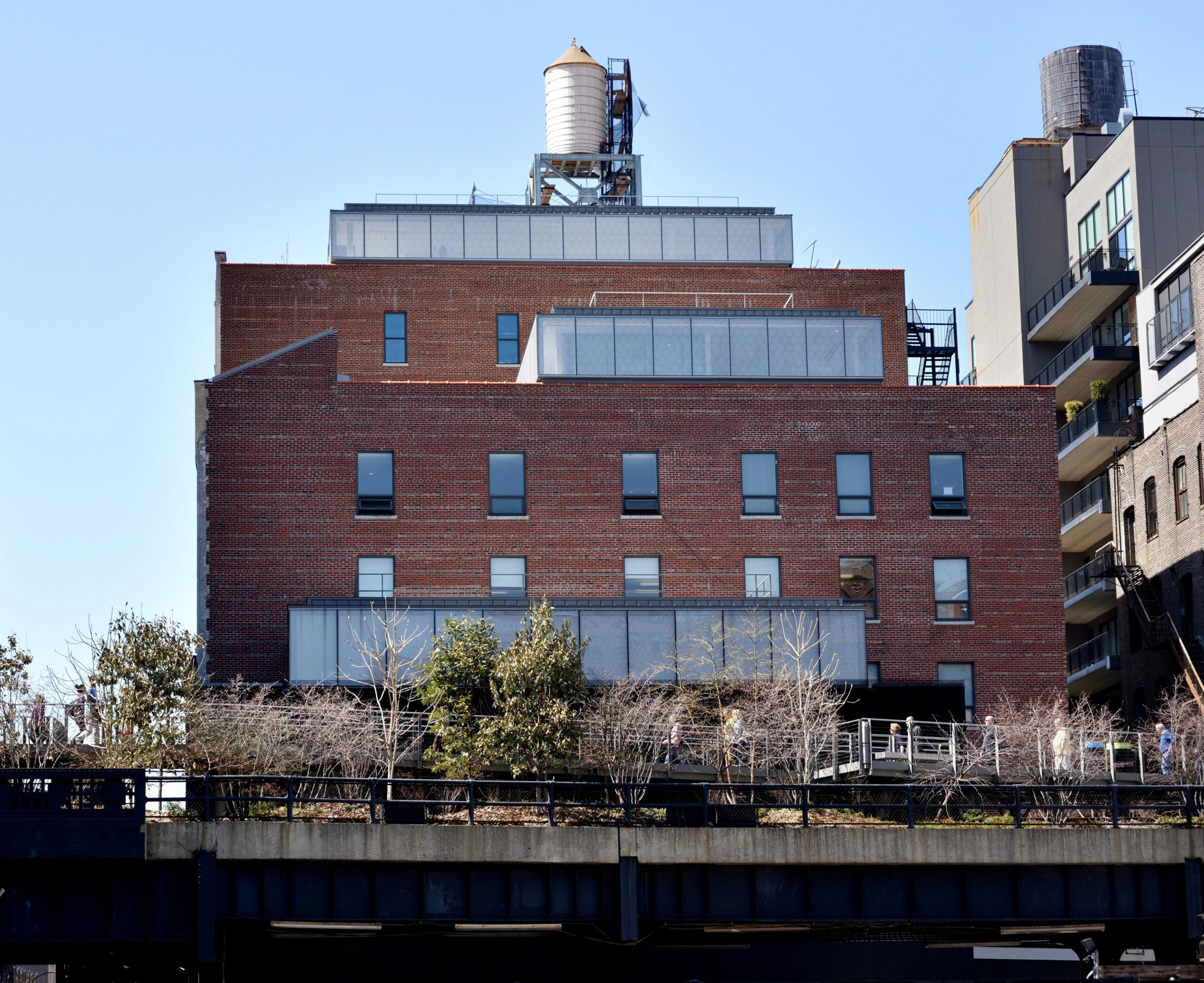
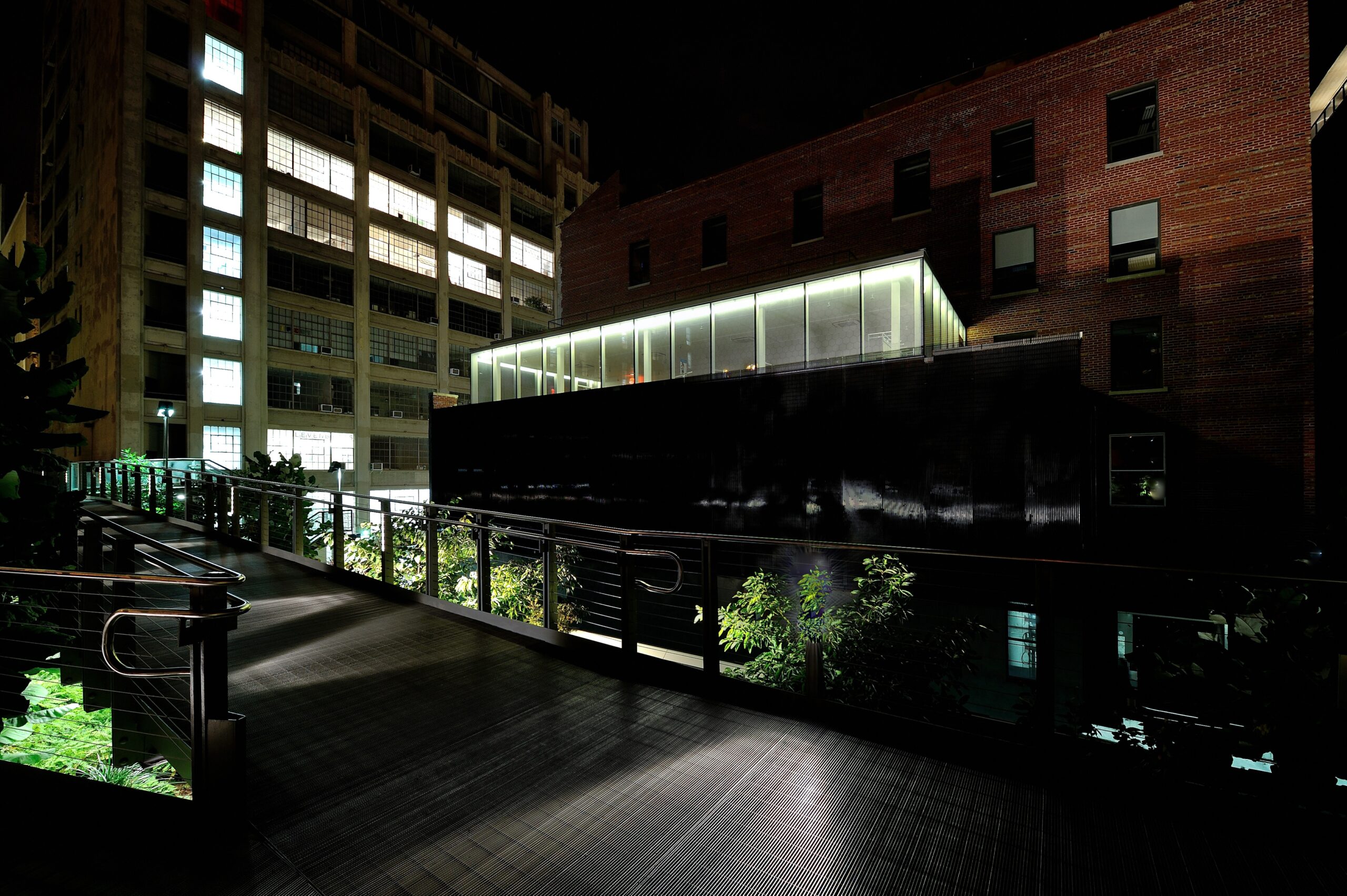
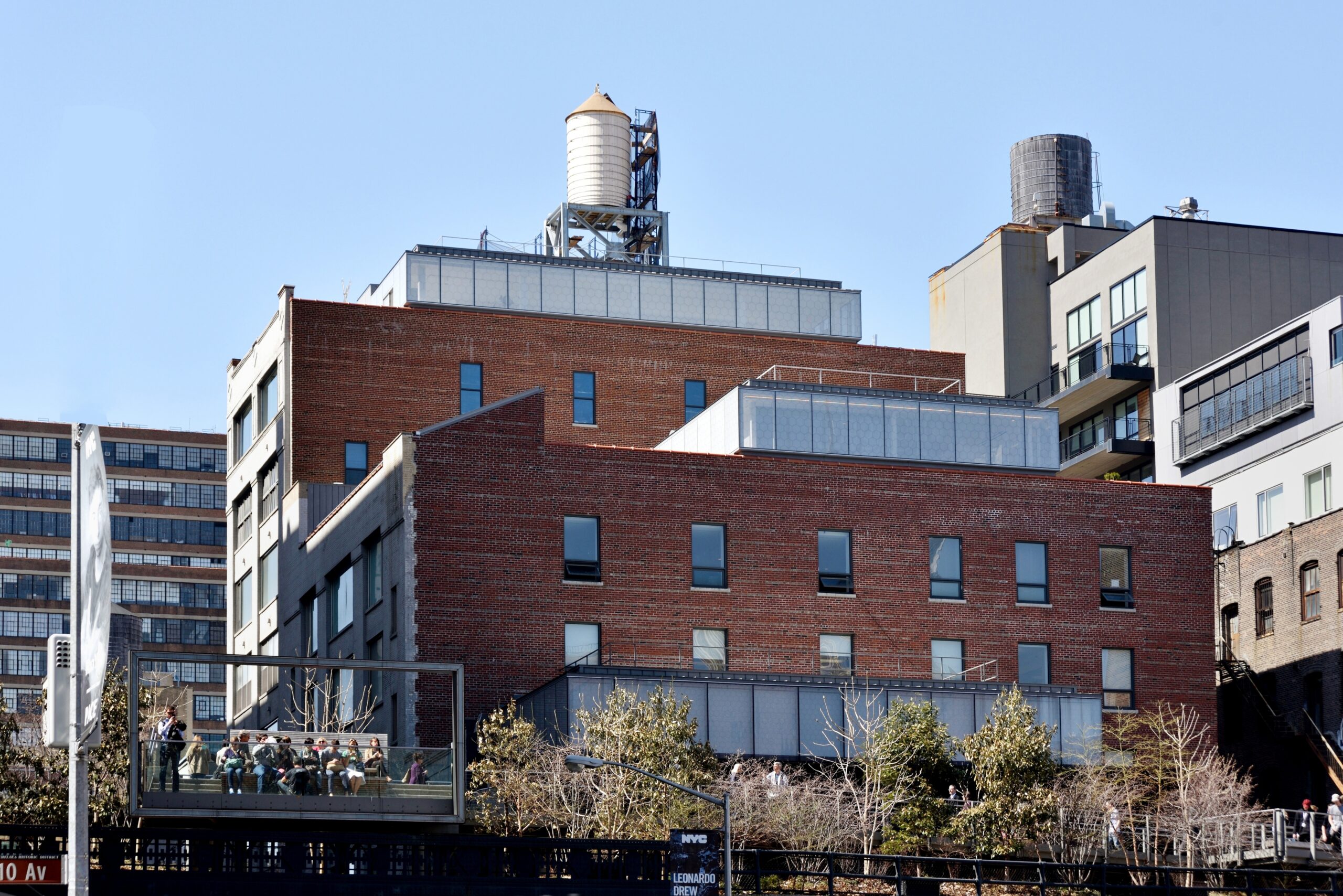
Our work on this Landmarks Preservation Commission-approved rooftop addition overlooking the High Line Park in Manhattan represents the kind of complex NYC rooftop construction that requires comprehensive expertise in both historic preservation and modern building systems. This project involved adding a contemporary glass box structure to an existing three-story building in one of New York City’s most visible and regulated neighborhoods.
Landmarks Preservation Commission Approval Process
The Landmarks Preservation Commission (LPC) can issue staff-level permits approving rooftop additions of occupiable space on individual landmarks and buildings in historic districts if the installation does not damage or remove significant roof features, such as artist’s studio windows, decorative chimneys, and in some cases, a steeply pitched roof. Our client’s glass box addition required a Certificate of Appropriateness (CofA) from the LPC — the type of permit issued when proposed work will affect significant protected architectural features, including rooftop or rear yard additions.
This type of permit requires a public hearing and may take two to three months to secure, which shaped our project timeline from the outset. The architects designed the addition to meet LPC visibility standards while respecting the building’s historic character and its prominent location adjacent to the High Line. Once LPC approval was secured, we moved forward with Department of Buildings (DOB) permitting, as landmark status requires LPC approval before DOB will issue a construction permit, especially for exterior work.
NYC Rooftop Construction: Structural Demolition and Sequencing
Rooftops and terraces must comply with New York City Construction Codes, with special consideration given to egress (occupant loads, number of exits, travel distances, egress widths, lighting), loading (dead, live, and wind loads), design and configuration for accessibility, and other safety requirements such as parapet and guardrail heights and their loading. Our scope required the complete removal of the existing roof structure before installing the new addition — a sequencing challenge that demanded precision, coordination, and aggressive weather monitoring to ensure the building remained protected throughout the transition.
Working on an occupied building in Manhattan, we had no ground-level staging area. Every piece of material, every tool, every load of debris moved by crane. We coordinated closely with our steel erector and envelope subcontractors to minimize the window during which the building was structurally open, maintaining constant communication with the building’s occupants and property management to ensure minimal disruption.
Kawneer Curtain Wall System Installation
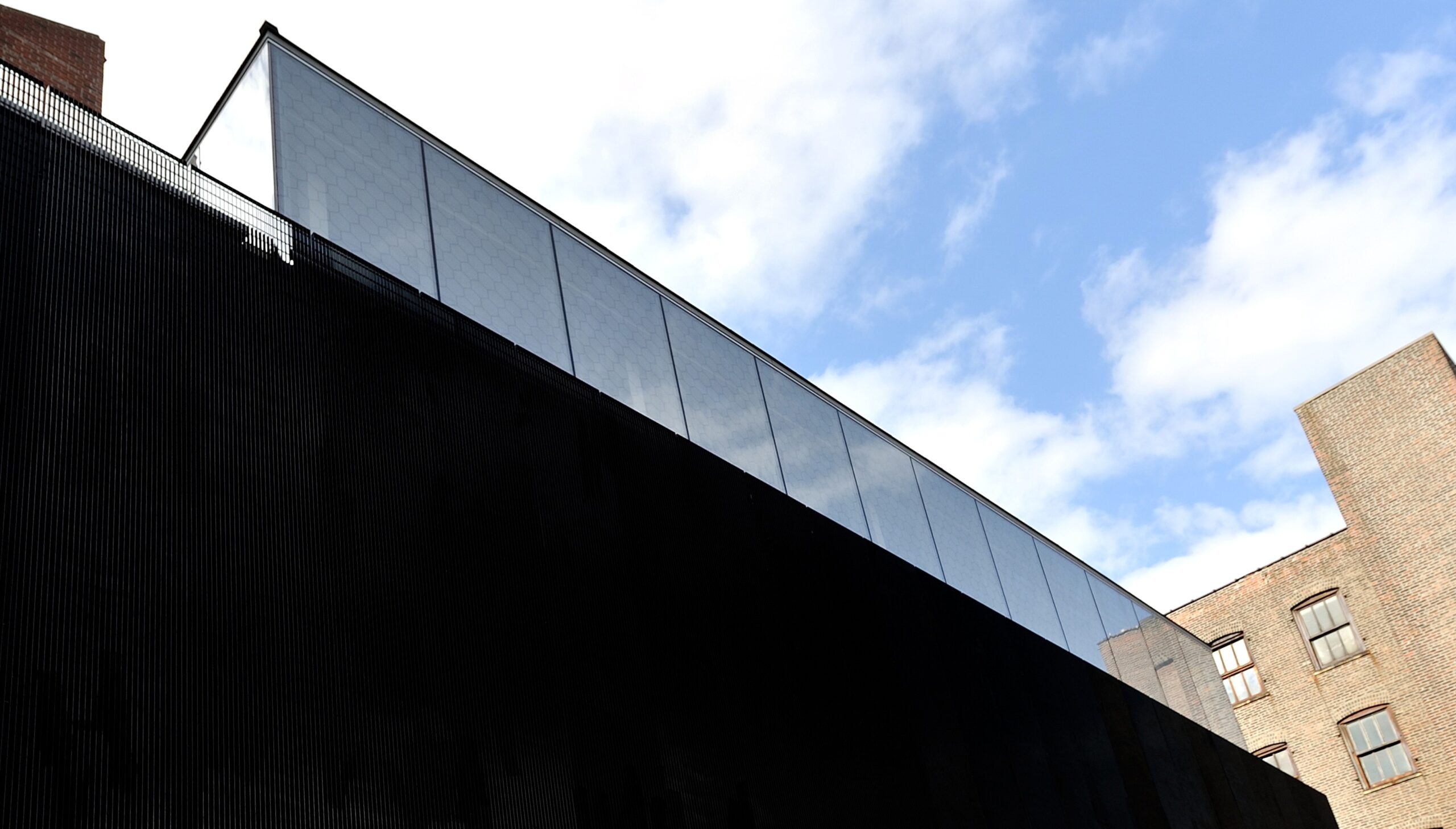
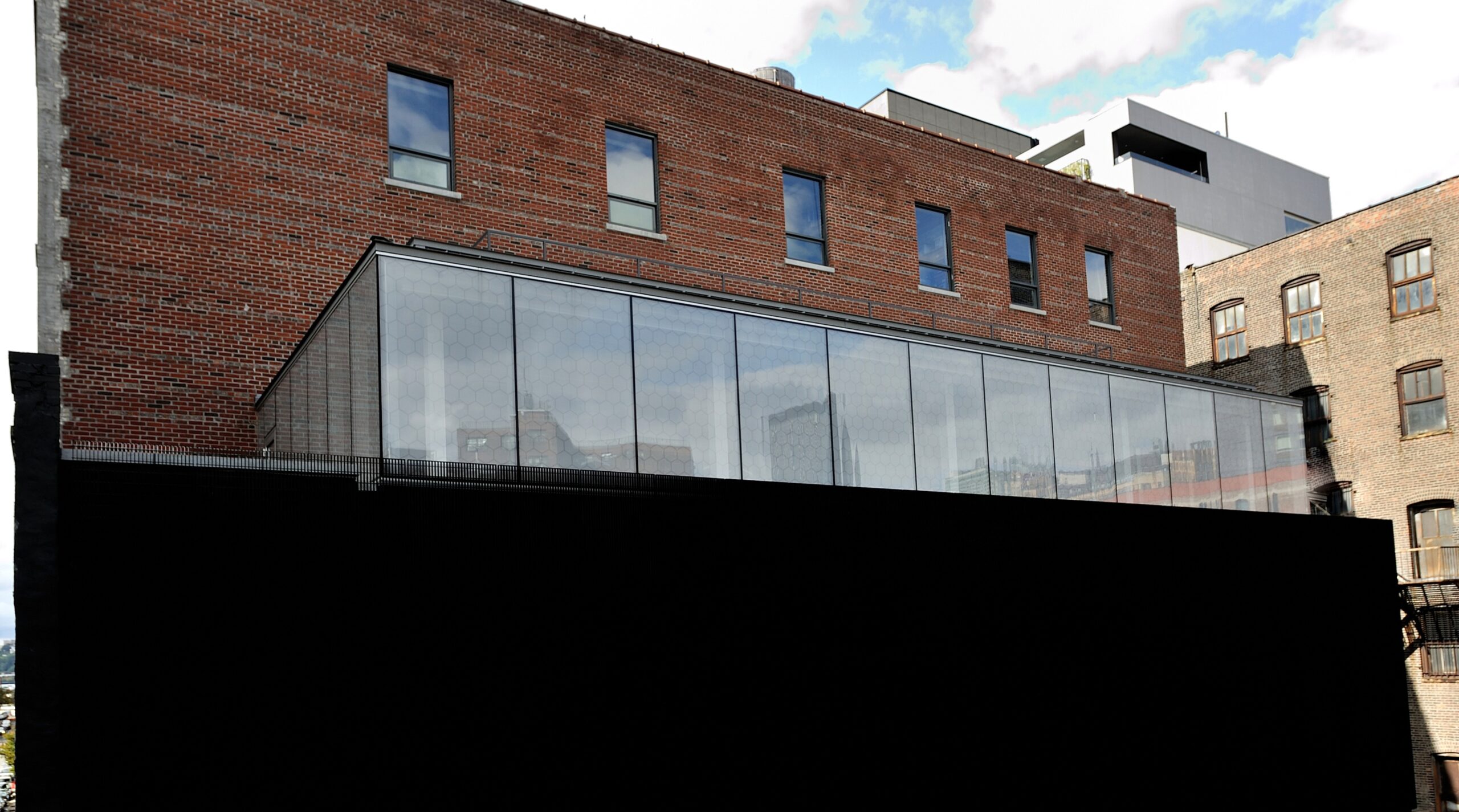
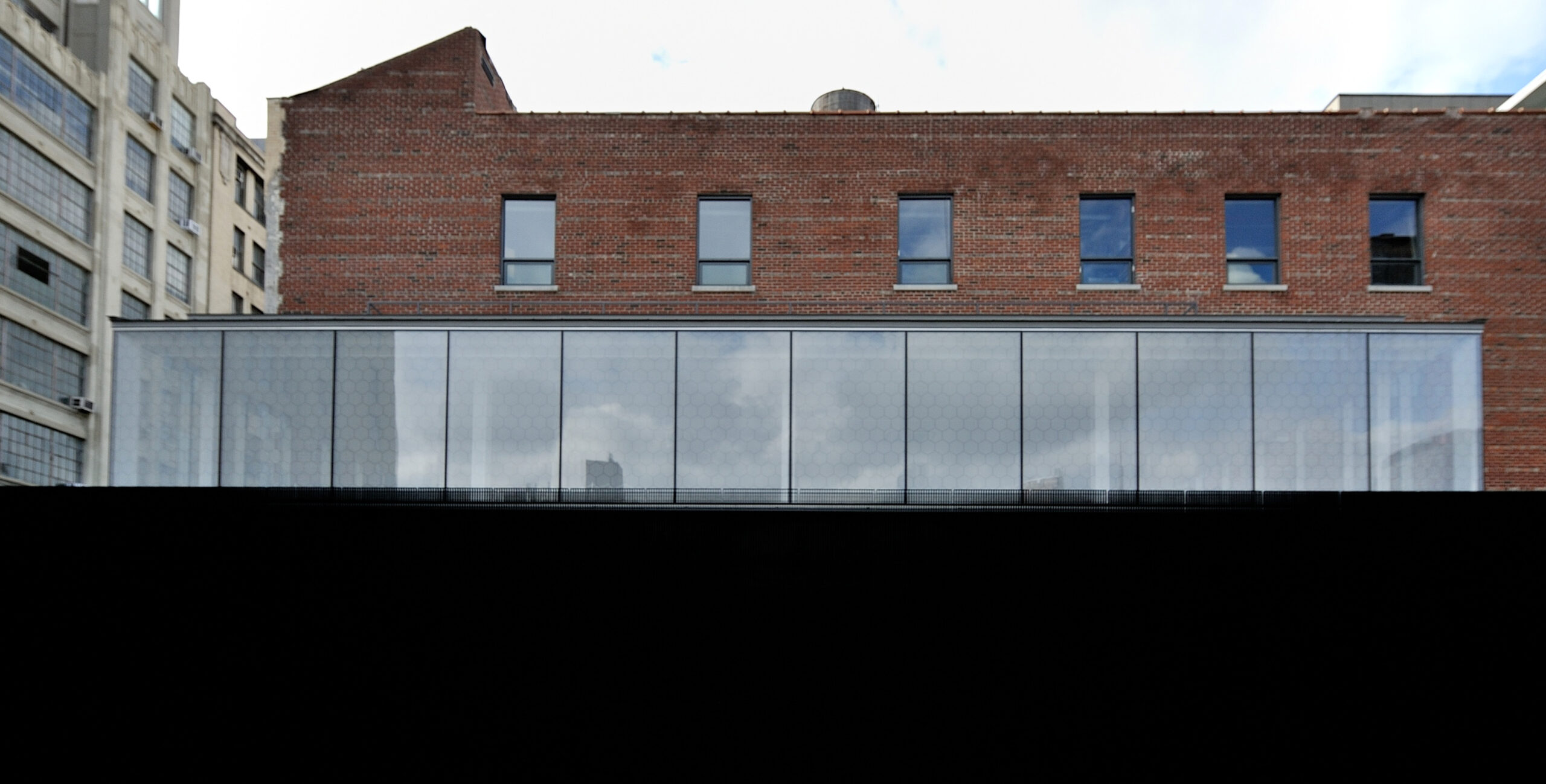
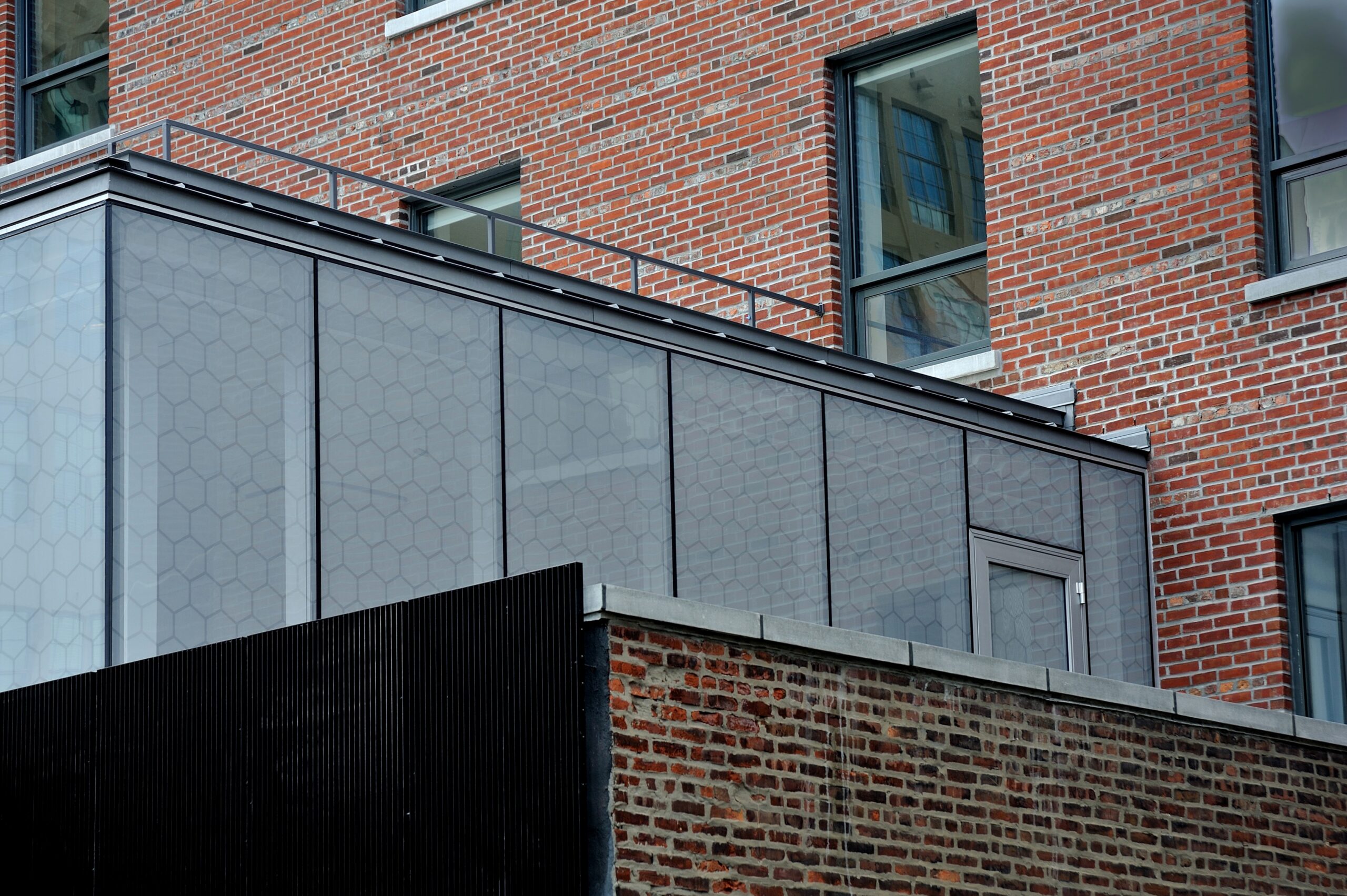
The centerpiece of this NYC rooftop addition was the Kawneer curtain wall system with laminated graphic glazing. Curtain wall systems are non-structural cladding systems that hang off the building’s structural frame, designed to resist air infiltration, water penetration, and wind loads while providing thermal performance. The Kawneer system we installed was engineered to meet the demanding performance standards required for rooftop exposure in New York City, where weather conditions are severe and unforgiving.
The laminated graphic glazing added both aesthetic distinction and technical complexity. Each panel incorporated an embedded visual layer within the glass laminate, which required careful handling, precise alignment, and flawless installation. Any scratch, misalignment, or improper seal would have been immediately visible and unacceptable, particularly given the building’s visibility from the High Line below.
Zinc Cladding: Long-Term Performance for NYC Rooftop Additions
Zinc cladding was specified for portions of the exterior envelope. Zinc is an excellent design option for facades, roofing, and cladding, with a life expectancy around 100 years for a roof and as long as 150 years for a wall. When exposed to weathering, a protective layer forms on the surface, preventing the corrosion process that steel experiences. That self-healing characteristic made zinc an ideal material choice for a rooftop addition designed to age gracefully over decades of weather exposure.
Installation of zinc requires specialized expertise. Zinc becomes much more brittle when exposed to temperatures below 50°F, and forming zinc in temperatures this low will cause it to rupture very easily. We scheduled zinc installation during appropriate weather windows and monitored surface temperatures continuously to maintain proper forming and seaming conditions. Our installers were experienced with the material’s characteristics, understanding that zinc is soft, malleable, and easily damaged if mishandled.
Parapet Wall Modifications and Building Envelope Integration
Parapet walls serve both functional and code-required purposes at roof edges — they provide fall protection, support guardrail systems, and help manage water drainage at the building envelope. Modifying them to integrate the new glass box addition without compromising the existing building’s waterproofing or structural integrity required precise detailing and careful execution.
We worked directly from the architect’s construction documents, but as with all rooftop work in NYC, existing conditions never match drawings exactly. Real-time problem-solving and constant communication between our field crew, the project architect, and our project management team were essential to ensure the new construction sat correctly on top of the existing masonry structure.
Steel Screen Wall Element: Aesthetic and Functional Integration
The steel screen wall element provided both solar shading and visual texture to the composition. Installing it required dimensional coordination with both the structural steel frame and the Kawneer curtain wall system, as all three building systems had to align perfectly both structurally and visually. The screen softened the presence of the glass box from certain vantage points along the High Line while maintaining transparency and light penetration.
NYC Rooftop Addition Expertise: Delivering Quality in a Constrained Urban Environment
Throughout this project, Integrity Contracting Inc. maintained our focus on delivering the architectural design intent while managing the realities of rooftop construction in Manhattan’s High Line district. The work demanded precision, aggressive coordination, and an acute awareness that this addition would be highly visible — not just to the building’s occupants, but to thousands of people walking the High Line every day.
Rooftop outdoor spaces have become hugely popular for new and existing buildings in New York’s super competitive real estate market, where both residential and commercial buildings are always trying to outdo each other. This project demonstrates Integrity Contracting’s capability to execute complex rooftop additions that meet NYC’s demanding codes, satisfy Landmarks Preservation Commission requirements, and deliver architectural distinction in one of the city’s most visible locations.
We’re proud of the outcome and confident this addition will serve the building well for decades to come.
Photo Gallery
Latest Projects
More Projects
Greenwood Estates
Nestled in a tranquil, tree-lined setting, this estate offers elegant homes crafted with sustainability and comfort in mind.
Harbor View Condominiums
These luxury condominiums architectural design with comfort and convenience. Featuring layouts, high-end finishes.
Urban Green Apartments
Urban Green Apartments brings modern live and sustainability in an innovative residential space. Located in the heart of the city.
Cedarwood Townhomes
These thoughtfully designed townhomes feature spacious layouts, high-quality finishes, and inviting outdoor spaces.